
UI audit for a 20 year old SaaS product
UI audit revealing 87 different inconsistencies, laying the foundation for a design system
Context
Displayr is a data insights platform with roughly 20 years of product history. A UI redesign in 2022 modernised the interface, but without a design system or dedicated designer, inconsistencies crept back in as engineers built with little design oversight. I was brought on as the company's only designer at the time in early 2026.
Process
Approach
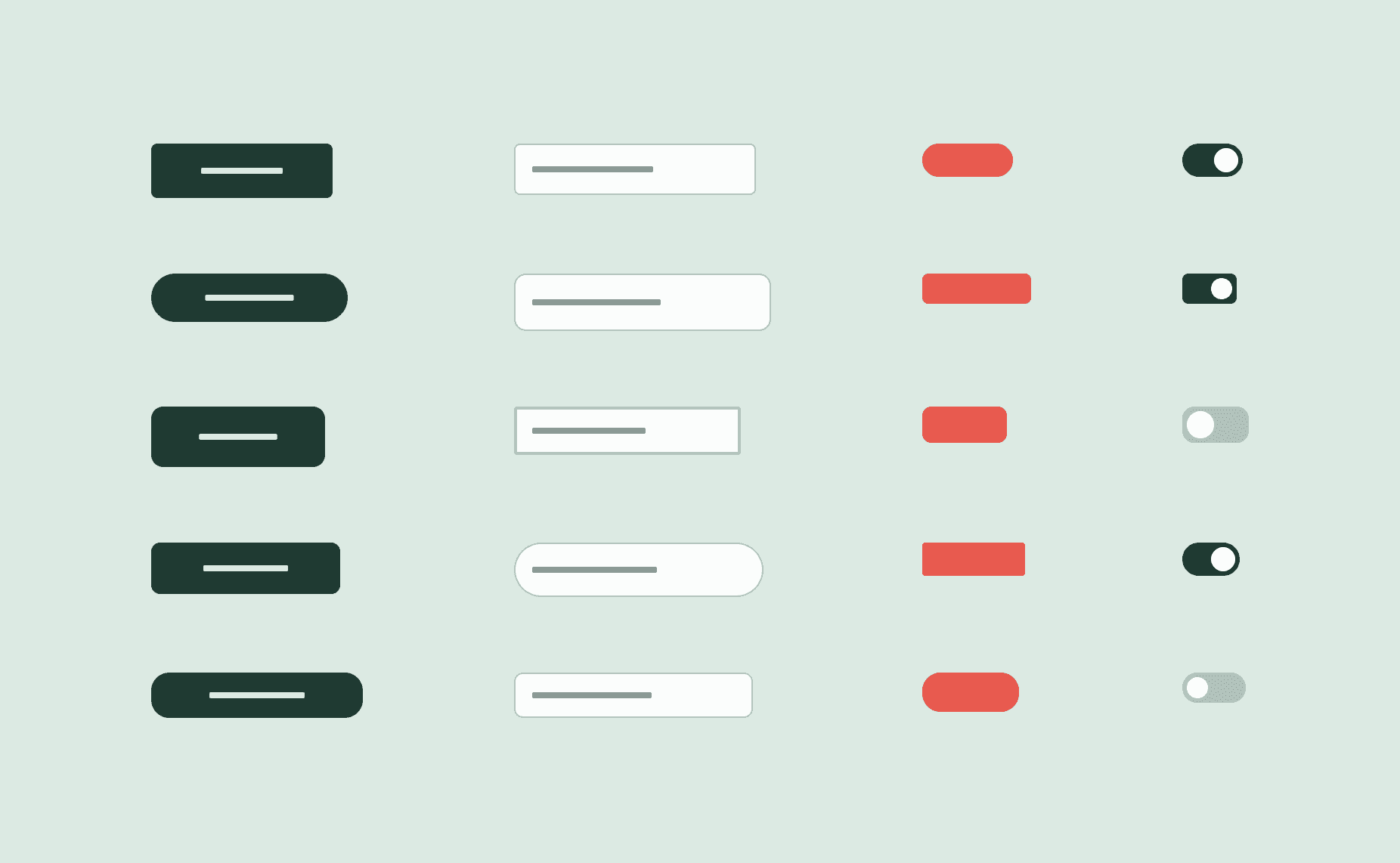
I started by going through the product the way a new user would, which I was. I had no learned workarounds, no assumptions about how things should work. I moved through every menu and interaction, flagging anywhere the UI behaved inconsistently or unexpectedly. For example, some dropdown menus only opened when the trigger was clicked, others when the parent container was clicked. Some tabs had hover states, others didn't. Same product, different rules
Categorisation
The hardest part wasn't finding the inconsistencies, it was organising them. The database went through four restructures because it needed to make sense to others, mainly the engineers who'd assess and fix each item. Early versions grouped issues by where they appeared in the UI and used tag structures that were over-detailed. After discussing the structure with my PM, we landed on categorising by type rather than location. The final structure categorised each one into four types: Structural, Interactive, Visual, and Language.
Prioritisation
Each inconsistency was scored on user impact across five weighted factors. Engineers then estimated fix time for each item, and dividing effort by impact gave us a prioritised backlog. The highest-impact, lowest-effort issues went first.
Outcome
The audit documented 87 groups of inconsistencies across the product, each with a categorisation, suggested solution, and prioritised score. I also built a Notion template so anyone in the team could report new inconsistencies, keeping the backlog alive beyond my involvement. But the real value wasn't the list, it was what the list revealed. Every inconsistency pointed to a rule that didn't exist, and together, they mapped out exactly what Displayr's first design system needed to define.
Available for work
X
Unsplash